

acton clean energy initiatives
The Town of Acton has partnered with Abode to help residents transition to clean energy solutions.
Acton clean energy initiatives
Acton’s Clean Energy Initiatives are town-wide efforts that help residents, building owners, and others in Acton access great information on clean energy improvements (and other electrification upgrades) for homes and buildings, and supports them in navigating the planning and implementation for a clean energy future. The initiatives arose in part from the hard work of volunteers and environmental advocates in Acton.
Initiatives include:
(1) a FREE Clean Energy Coaching program: support with trained Acton volunteers on all clean energy upgrades (see below)
(2) for those with heat pump quotes in hand, FREE consultations with Abode Energy Management experts on clean heating and cooling.
Additional initiatives include:
Explore clean heating technologies
Energy-efficient, market-ready technologies that transform how we use energy. Acton’s clean energy programs can help with:

Air Source Heat Pumps
Air source heat pumps (ASHP), often referred to as ductless mini-splits, are a clean technology you can use to both heat and cool your home. There are a number of economic, environmental and health benefits associated with installing air source heat pumps.

Ground Source Heat Pumps
Whereas air source heat pumps use the air as their heat reservoir, ground source heat pumps (GSHP) use the ground as their heat reservoir. Whether a ground source heat pump is right for you depends in large part on the site conditions of your home.
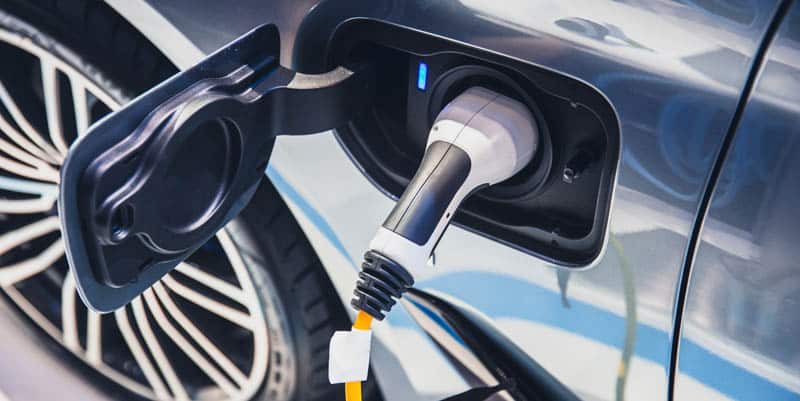
Electric Vehicles & Chargers
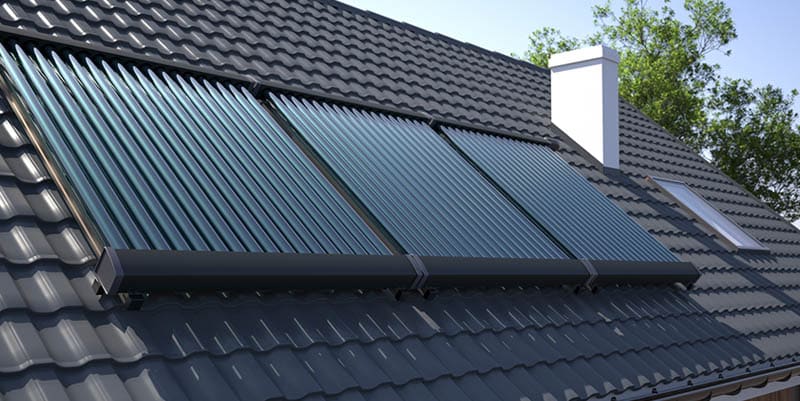
Solar Thermal Systems
Solar thermal, also known as solar hot water, similarly collects solar energy using roof-mounted panels or tubes, but rather than converting that energy into electricity as with solar PV systems, solar thermal systems store the energy in water, heating it.
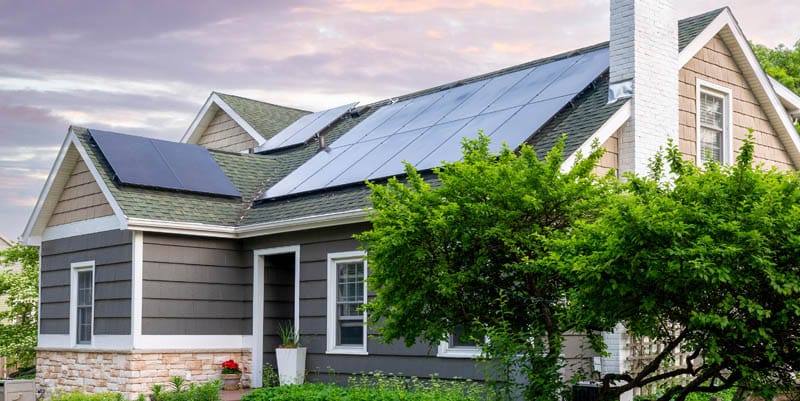
Solar
A solar (photovoltaic or PV) system creates carbon-free electricity. Solar arrays can be installed on rooftops or in ground-mount infrastructure. The average residential PV installation is estimated to reduce carbon emissions by approximately 2.5 tons/year.
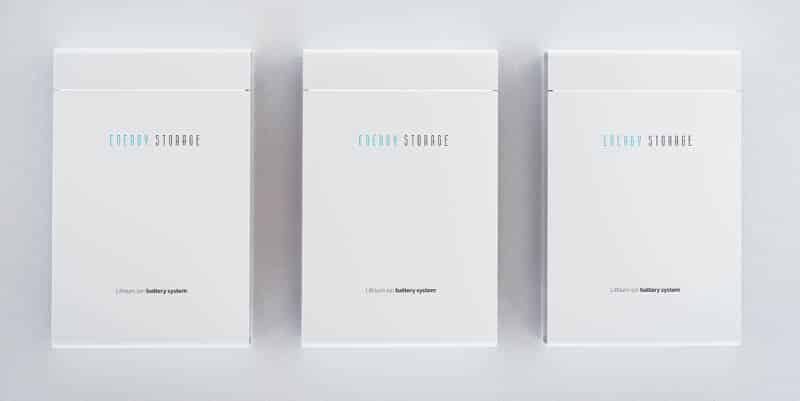
Battery Storage
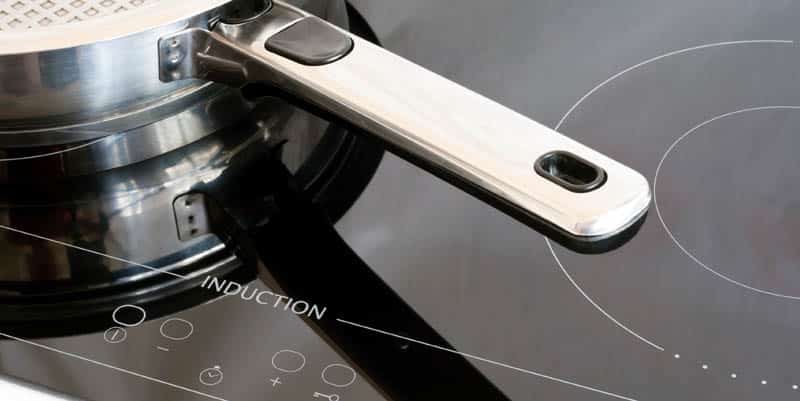
Induction Stoves

Acton Power Choice
Why clean energy technologies?
Environmentally friendly
Economic benefits
Health & wellness
Comfort
Incentives for clean energy upgrades
Mass Save heat loan
The Mass Save HEAT Loan offers 0% financing opportunities for a variety of eligible energy-efficient upgrades—including insulation, heat pump installations, batteries, and more.
Mass Save rebates
Discover how our energy-saving services, products and offers can help you save more and live better. See if you’re eligible for even greater discounts and no-cost options.
Inflation reduction act
Advancing clean energy and reducing greenhouse gas emissions through support for investment in domestic energy production, energy efficiency, and electrification.
Acton's clean energy coaching program
Request a Coach
Advanced Consultation
Meet our energy coaches

Jim Clark

Dan Fainstein

Taro Gold

Tom Gillispie

Dave Hazen

David Kleinschmidt

Lian Li

Dennis Loria

David Martin

Sarah Shamel

David Shoemaker
Mass Save home energy assessment
Homes are complex systems consisting of physical features and mechanical equipment. To help think about your home holistically a home energy assessment is a necessity when planning for any heating / cooling upgrades. We encourage you to schedule a no-cost home energy assessment (audit) through All In Energy, which works with Mass Save®.
Mass Save home energy assessments are also required to be eligible for Mass Save rebates. Your assessment specialist will evaluate your home’s insulation levels and provide you with recommendations for incentivized upgrades. These upgrades can have a substantial impact on the selection and performance of your heating and cooling system, reducing your carbon footprint and energy bills. Learn more about assessments or speak with your coach about this important step.